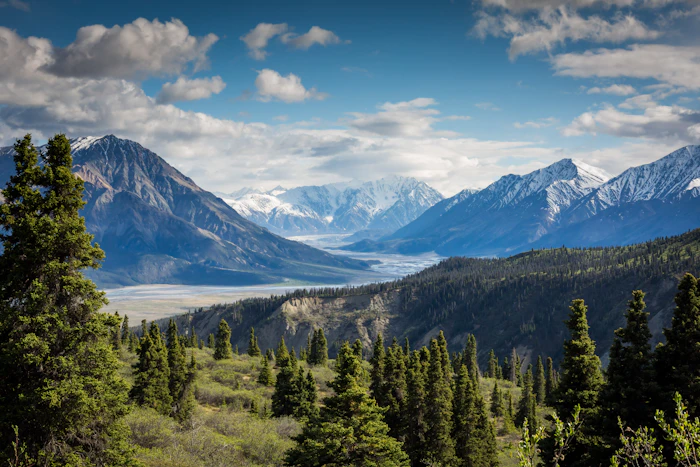
Welcome to Gangtok
Discover the enchanting mountain jewel of Sikkim: where pristine glacial lakes mirror the azure sky, ancient monasteries chant with peaceful horn calls, and Mount Kanchenjunga watches proudly over cascading cloud valleys.
Explore GangtokMust-Visit Destinations of Gangtok
An extensive travel guide unraveling sacred high-altitude glacial lakes, Indo-China border passes, serene Buddhist dharma centers, and pristine mountain promenades.
 Sacred Glacial Wonder
1. Tsomgo Lake: The Holy Color-Changing Glacial Jewel
A breathtaking alpine lake nestled at 12,313 feet surrounded by rugged snow cliffs.
Sacred Geography & Legend
Located roughly 40 kilometers from Gangtok along the steep mountain highway leading toward the Tibet border, Tsomgo Lake (also known as Changu Lake) is one of the most revered high-altitude glacial waters in the Eastern Himalayas. Perched at an altitude of approximately 3,753 meters (12,313 feet), the oval-shaped lake is fed directly by melting snow from the encircling peaks.
In local Bhutia folklore, the lake is deemed deeply sacred; ancient Buddhist Lamas were said to read omens and forecast future fortunes by studying the subtle changes in the water's reflection and shades. During winter, the lake surface freezes into a thick sheet of glistening blue ice, while late spring brings an explosion of vibrant wild rhododendrons, alpine primulas, and yellow poppies blooming all around its rocky shores.
Highlights & Experiences
- Decorated Yak Rides: Ride gently adorned, long-haired Tibetan yaks dressed with colorful handwoven wool saddles and brass bells along the lake perimeter.
- Baba Harbhajan Singh Mandir: Located further up at 13,123 feet, this revered shrine honors an Indian army soldier whose protective spirit is believed by army personnel to guard the frontiers.
- Tsomgo Passenger Ropeway: Take the thrilling cable car ride from the lake edge up to the mountain ridgeline for staggering aerial panoramas.
 Historic Old Silk Route & Border
2. Nathula Pass: The Historic Gateway on the Ancient Silk Route
Standing at 14,140 feet along the legendary international border of India and China.
Strategic Legacy & High Alpine Frontier
Nathula Pass ("Nathu" meaning listening ears and "La" meaning pass) is one of the most exhilarating and dramatic mountain passes accessible to civilians in the Indian Himalayas. Located 54 kilometers east of Gangtok at a dizzying elevation of 4,310 meters (14,140 feet), it once served as an offshoot of the ancient Silk Route connecting the fertile plains of Bengal with the spiritual capital of Lhasa in Tibet.
Today, Nathula represents a major strategic Indo-China border post. Travelers climbing the flight of concrete steps are rewarded with the rare, surreal sight of Indian and Chinese military personnel stationed merely paces apart along the barbed-wire border line, set against high winds, low oxygen levels, and sweeping views of the barren Tibetan plateau beyond.
Pass Highlights & Practicalities
- The International Border View: Observe the border gates and ceremonial meeting hall between Indian Army and Chinese PLA personnel.
- War Memorial & Exhibition: A solemn memorial honoring the courageous martyrs of the Indian Armed Forces who defended this high mountain pass.
- Special Permits: Visits are restricted to Indian nationals with pre-approved Protected Area Permits (PAP), typically accessible from Wednesday to Sunday.
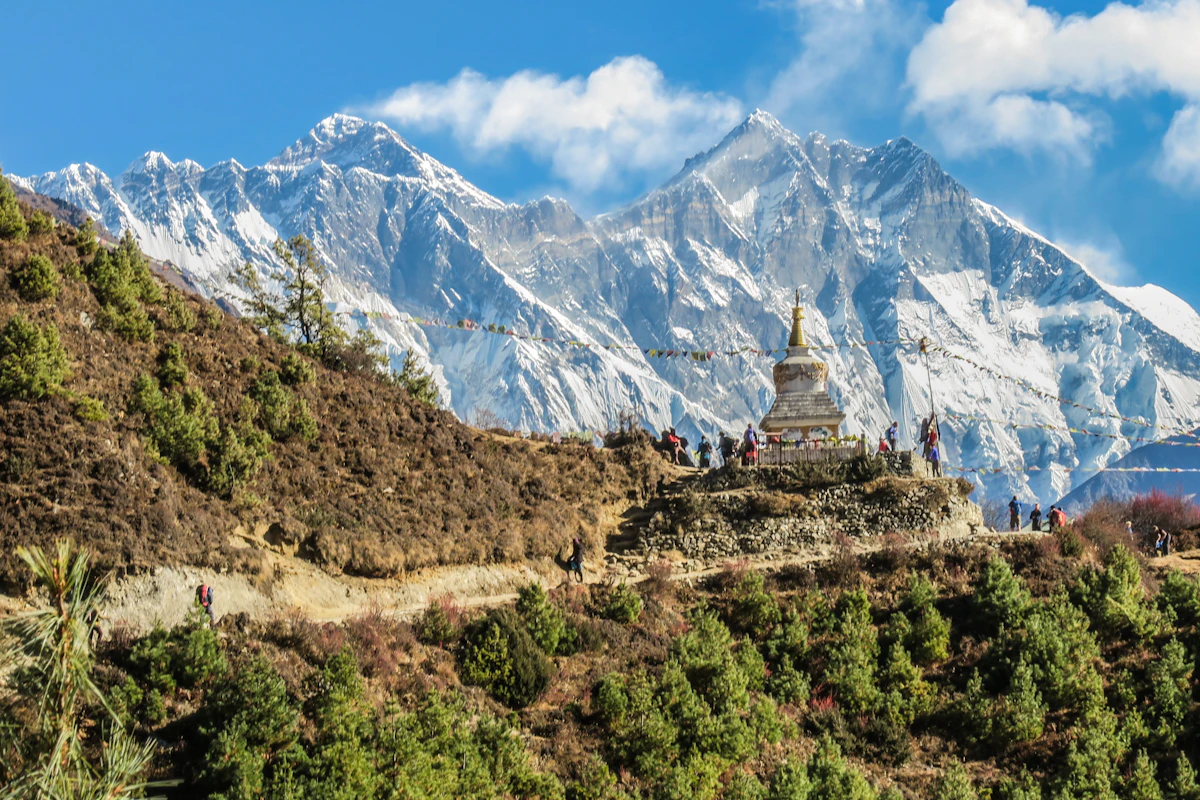 Dharma Chakra Centre & Monastic Seat
3. Rumtek Monastery: The Seat of the Black Hat Karmapa
The largest and most sacred Tibetan Buddhist monastery in Sikkim.
Monastic Grandeur & Sacred Lineage
Perched opposite Gangtok on a lush green hillside 24 kilometers away, Rumtek Monastery (the Dharma Chakra Centre) is the primary world seat of the Karma Kagyu lineage—one of the four major schools of Tibetan Buddhism. Reconstructed in the 1960s by the 16th Gyalwa Karmapa after escaping Tibet, the complex is a magnificent replica of the original Tsurphu Monastery in Lhasa.
The monastery's main prayer hall features golden spires, vibrant silk thangkas, massive red pillars, and intricate hand-painted murals depicting centuries of Buddhist cosmology. In the inner sanctuary stands the breathtaking Golden Stupa (chorten), encrusted with turquoise, coral, and amber, enshrining the sacred relics of the 16th Karmapa.
Monastery Highlights
- Karma Shri Nalanda Institute: An esteemed institute of higher Buddhist philosophy where hundreds of young novice monks in maroon robes study sacred texts.
- Mask Dance Festivals: During Tibetan New Year (Losar), the central stone courtyard comes alive with dramatic Cham dances performed with wooden ceremonial masks and booming brass horns.
- Panoramic Valley Overlook: Looking across the river valley from Rumtek’s perimeter affords stunning views of the entire stepped city of Gangtok clinging to the opposite ridge.
 Urban Heart & Pedestrian Boulevard
4. MG Marg: The Sparkling European-Style Boulevard
A vehicle-free, litter-free pedestrian promenade celebrating Himalayan urban chic.
A Model Mountain Promenade
MG Marg is widely regarded as one of the cleanest, most picturesque, and well-managed pedestrian town squares in India. Stretching approximately one kilometer through the center of Gangtok, this paved thoroughfare is strictly designated a pedestrian-only, smoke-free, and litter-free green zone. Beautiful Victorian-style street lamps, ornamental wrought-iron benches, cascading flower beds, and the statue of Mahatma Gandhi give this vibrant street the feel of a charming European boulevard.
In the evening, MG Marg transforms into the social hub of Sikkim. Locals and tourists alike promenade up and down the boulevard, enjoying the cool mountain air, browsing chic boutiques, and soaking in the lively ambiance created by street buskers and colorful neon shopfronts.
Gastronomic Delights & Mountain Shopping
- Authentic Sikkimese Cuisine: Taste steaming plates of pork or cheese Momos, Thukpa (piping noodle soup), Phagshapa (pork cooked with radishes and dried chilies), and freshly fermented Tongba (warm millet beer).
- Handicrafts & Curios: Shop for Lepcha woven shawls, Tibetan prayer wheels, singing bowls, Sikkim hand-rolled black tea, and pure organic honey.
- Annual Winter Carnivals: During December, the street hosts musical carnivals, ethnic food festivals, and traditional cultural performances.
Cascades & Kanchenjunga Vistas
5. Tashi Viewpoint & Ban Jhakri: Nature, Myths & Peaks
Cascading rainforest waterfalls and sweeping morning sunrises over Kanchenjunga.
Nature & Shamanic Lore
Just a few kilometers outside the city center lie two of Gangtok’s most popular scenic wonders. Ban Jhakri Falls is a 100-foot natural waterfall cascading down lush sub-tropical greenery, set within an immaculately landscaped energy park. "Ban Jhakri" translates to the "Jungle Shaman"—honoring ancient animist healers who lived in deep forested caves. The park displays stone sculptures illustrating traditional shamanic healing rites alongside serene bridges and duck ponds.
Meanwhile, perched on a northern ridge 8 kilometers from the town, Tashi Viewpoint was constructed by King Tashi Namgyal to offer travelers an unobstructed morning panoramic gaze toward Mount Kanchenjunga and Mount Siniolchu. On crisp mornings, watching the sun illuminate the snow ramparts as morning mists rise from the valley floor is truly unforgettable.
Highlights & Experiences
- Ban Jhakri Energy Park: Relax beside rushing natural torrents, landscaped pathways, and traditional shamanic statues.
- Tashi Viewpoint Sunrise: Use binoculars at the observation tower to admire the majestic snow face of Kanchenjunga.
- Ganesh Tok & Hanuman Tok: Scenic hill shrines perched higher up the same ridge offering panoramic views over the sprawling valley of Gangtok.