Welcome to Nepal
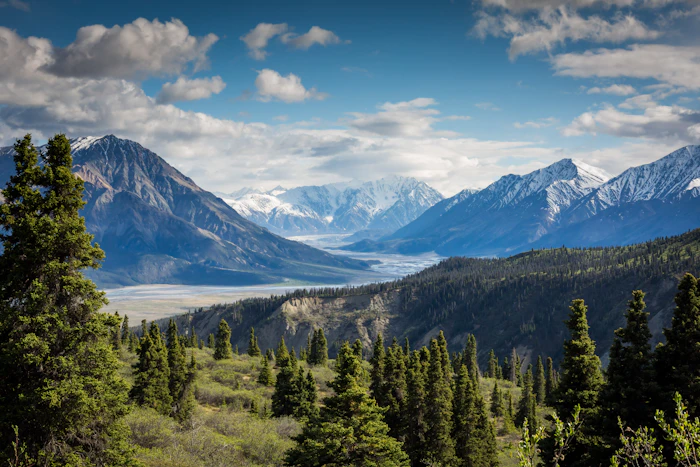
Embark on a voyage into the realm of snow-crowned Himalayan peaks, ancient pagoda shrines, sacred rivers, vibrant living cultures, and lush subtropical jungles.
Explore DestinationsIconic Destinations of Nepal
An exhaustive travel companion exploring history, sacred architecture, breathtaking landscapes, local flavors, and adventure trails across the country.
 Cultural Epicenter & Capital
1. Kathmandu: The Sacred Capital of Shrines & Living Legends
Where medieval Newari architecture, timeless spiritual rituals, and modern energy coalesce.
Historical Background & Atmosphere
Kathmandu, nestled within a mountain bowl at an altitude of approximately 1,400 meters, is a living museum unmatched anywhere else in South Asia. Known in ancient eras as Kantipur ("City of Glory"), Kathmandu has stood for millennia as a vital crossroads where Tibetan high-altitude trade routes intersected with warm subcontinental trade circuits. The valley is deeply rooted in indigenous Newar civilization, whose master woodworkers, metal sculptors, and stonemasons crafted the intricate multistoreyed pagoda temples, courtyard courtyards (bahals), and gilded monuments that remain preserved to this day.
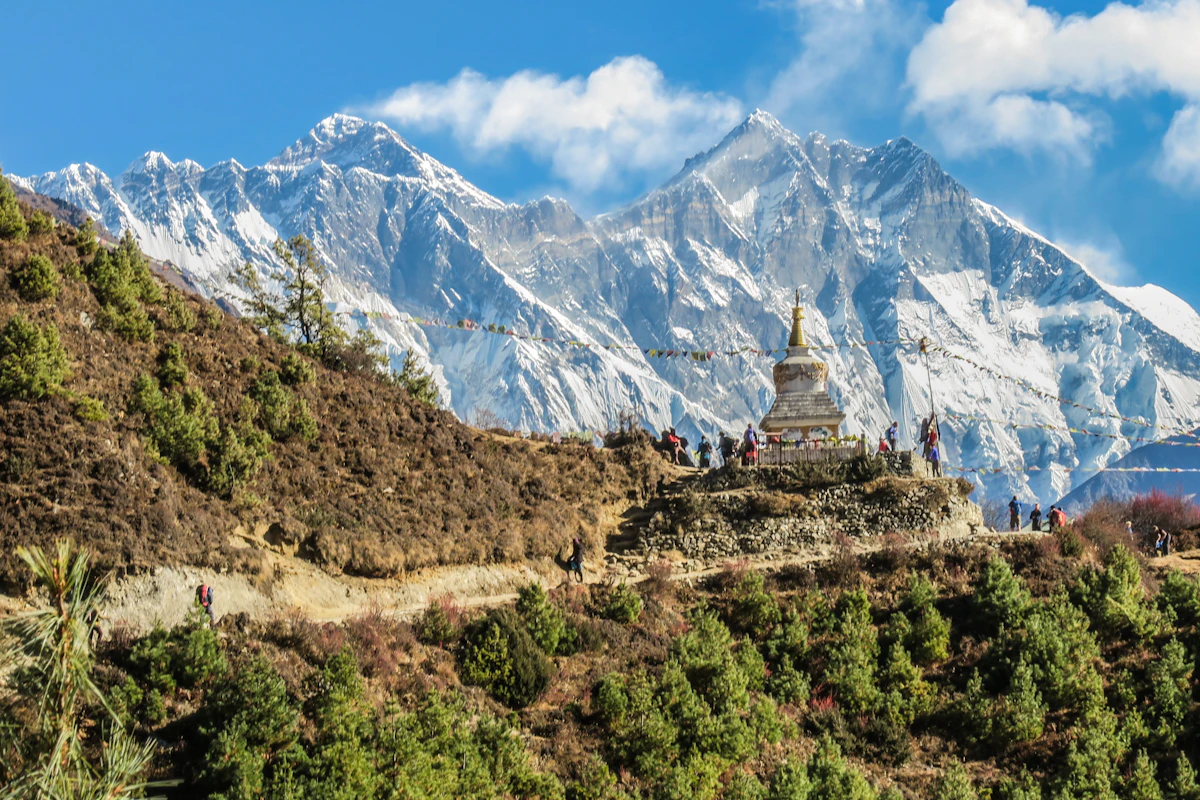
Wandering the maze-like labyrinth of inner Kathmandu reveals an intoxicating symphony of sensations. The scent of burning juniper incense mingles with roasted spices and fresh marigold garlands. Prayer flags flutter vigorously across red-brick terraces, while brass bells ring out at daybreak as local devotees begin their morning puja rituals.
Monumental Attractions & Heritage Sites
- Pashupatinath Temple Complex: The holiest Hindu shrine in Nepal, sprawling along the banks of the sacred Bagmati River, dedicated to Lord Shiva.
- Boudhanath Stupa: One of the world’s most colossal spherical Buddhist stupas and the beating heart of Tibetan Buddhism in Nepal.
- Swayambhunath (The Monkey Temple): Perched on a forested conical hilltop west of the city, affording sweeping panoramic views across the valley floor.
- Kathmandu Durbar Square: The historic coronation square of the Malla and Shah dynasties, featuring the intricately carved wood balconies of Kumari Ghar.
 Adventure Capital & Alpine Paradise
2. Pokhara: The Serene Lakeside Gateway to the Annapurnas
Mirror-like glacial lakes, sheer Himalayan ramparts, and adrenaline-charged skies.
Natural Splendor & Valley Geography
Lying approximately 200 kilometers west of Kathmandu, Pokhara offers a striking, tranquil contrast to the frantic pulse of the capital. The city sits nestled at the base of the Annapurna Massif, one of the most formidable high-mountain walls on Earth. Here, the valley floor sits at an elevation of only 820 meters, yet the snow-draped summit pyramid of Mount Machapuchare (the sacred "Fishtail" peak) soars beyond 6,993 meters barely 28 kilometers away.
Outdoor Pursuits & Viewpoints
- Sarangkot Sunrise & Paragliding: Watch the early morning sunlight transform the peaks of Dhaulagiri and Annapurna into blazing gold before taking off on a paragliding flight.
- World Peace Pagoda (Shanti Stupa): Pristine white stupa commanding panoramic sweeps across Phewa Lake and the snow peaks.
- Davis Fall & Gupteshwor Mahadev Cave: Roaring underground limestone waterfall and subterranean Shiva shrine.
 UNESCO World Wildlife Sanctuary
3. Chitwan: Into the Wild Kingdom of the Terai Lowlands
Dense sal forests, elephant-grass savannas, armored rhinos, and tiger tracks.
The Tropical Wilderness of Nepal
Encompassing over 950 square kilometers of lush moist deciduous sal forests, winding marshlands, oxbow lakes, and sprawling elephant grass plains, Chitwan represents one of the most successful wildlife conservation sagas in modern environmental history.
Wildlife Encounters & Riverine Exploration
- Greater One-Horned Rhinoceros: High density of rhinos freely grazing in tall grass meadows and wetlands.
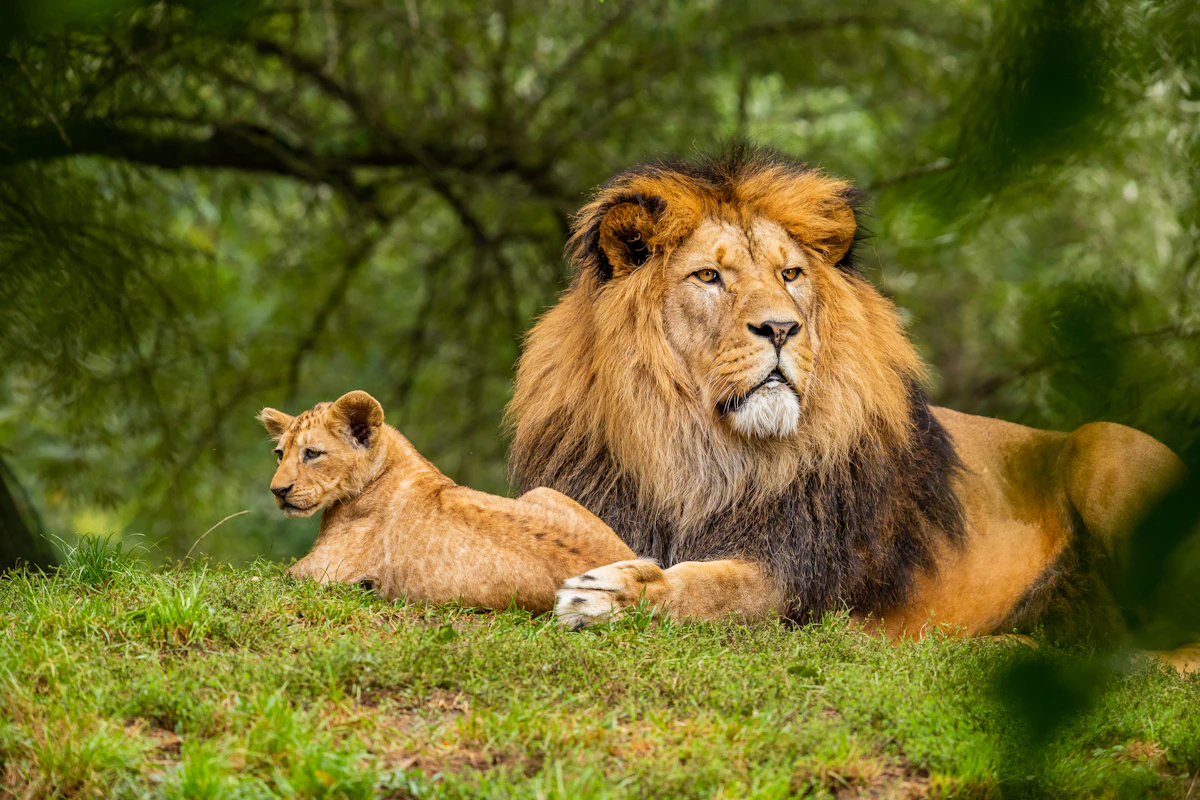
- Royal Bengal Tiger: The stealthy apex predator roaming the sal forest interior and river banks.
- Dugout Canoe Safaris on Rapti River: Peaceful boating alongside basking Gharials and exotic waterbirds.
 Spiritual Sanctuary & World Heritage
4. Lumbini: The Sacred Birthplace of Gautama Buddha
A tranquil spiritual haven where international peace, meditation, and ancient history converge.
The Historical & Spiritual Foundation
Located on the plains of southwest Nepal near the Indian border, Lumbini is revered worldwide as the historic birthplace of Siddhartha Gautama, who attained supreme enlightenment as the historical Buddha around 528 BCE. According to Buddhist canonical texts, Queen Maya Devi was traveling to her maternal home in Devadaha when she paused in the flowering Sal grove of Lumbini. Bathed in the clear waters of the Pushkarini pond, she held onto the branch of a blossoming tree and brought forth the young prince.
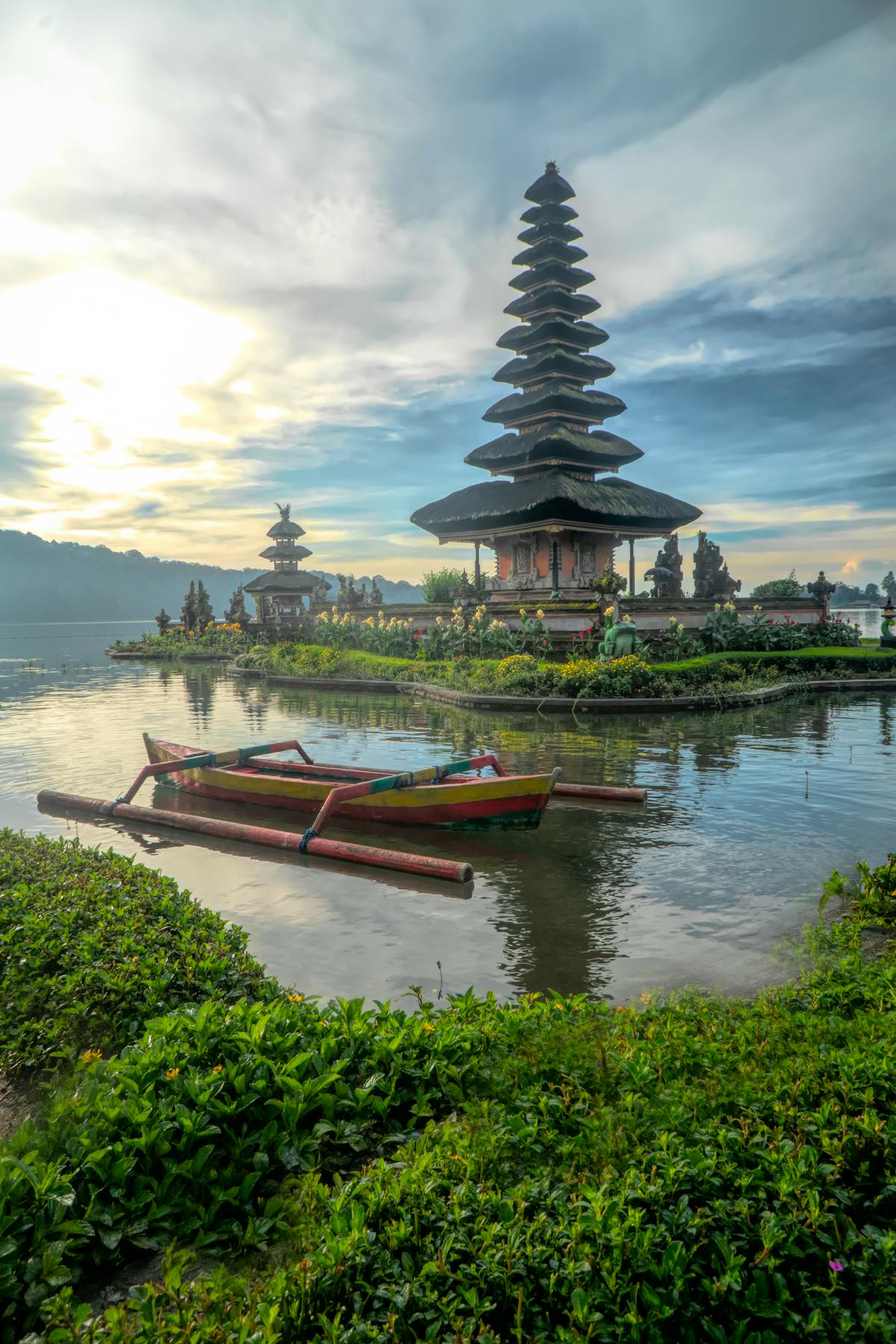
Today, Lumbini is preserved as a sprawling sacred sanctuary designed under the guidance of renowned Japanese architect Kenzo Tange. Divided into a sacred garden, a central water canal, and dedicated monastic zones, the area is free from commercial clamor, offering an atmosphere of profound quietude, meditation, and interfaith reflection.
Sacred Highlights & Archaeological Monuments
Pilgrims, scholars, and travelers journey from every continent to pay homage to the profound spiritual foundations preserved at this sacred site:
- Maya Devi Temple: The spiritual heart of Lumbini. Enclosed within an unadorned white protective structure are exposed brick foundations dating back to the 3rd century BCE, enshrining the exact "Marker Stone" pinpointed by archaeologists as the precise spot of the Buddha's birth.
- The Pillar of Emperor Ashoka: Erected in 249 BCE by Emperor Ashoka during his royal pilgrimage to Lumbini, bearing an ancient Brahmi inscription commemorating Buddha's birth.
- The Sacred Pushkarini Pond: Situated directly south of the Maya Devi temple, this ancient brick-banked pool is where Queen Maya Devi is believed to have bathed prior to childbirth.
- International Monastic Zone: Houses magnificent monasteries built by Buddhist nations across the globe—including Thailand, Myanmar, Sri Lanka, Japan, China, Germany, France, and Cambodia.
Mindful Exploration & Spiritual Atmosphere
Lumbini is best experienced at a slow, meditative pace. Many travelers rent a bicycle or take an eco-friendly electric rickshaw to ride along the tranquil tree-lined canals. Early morning brings monks and nuns dressed in saffron, maroon, and grey robes softly chanting beneath the sprawling Sacred Bodhi Tree, wrapped in colorful prayer flags beside the pond.
 Himalayan Panorama & Pine Escapes
5. Nagarkot: The Himalayan Sunrise Balcony of the Rim
Sweeping panoramic vistas of Everest, misty pine forests, and cool mountain air.
Ridge Geography & Scenic Heritage
Perched at an elevation of approximately 2,175 meters along the eastern rim of the Kathmandu Valley, Nagarkot is famed for offering one of the broadest sweeps of the Himalayan mountain ramparts accessible by road. The panorama from Nagarkot spans 8 of the 14 Himalayan ranges: including the Annapurna, Manaslu, Ganesh Himal, Langtang, Jugal, Rolwaling, Mahalangur (the Everest range), and Number peaks.
Sunrise Spectacle & Alpine Trails
- The Iconic Sunrise View Tower: Witness the distant ivory peaks transform into hues of crimson and gold above low valley clouds.
- Panoramic Nature Trail: Ridge trek threading through fragrant pine forests and terraced hillsides.
- Day Hike to Changu Narayan: Scenic descent towards the oldest functioning Hindu temple in the valley.
 Living Museum of Newari Architecture
6. Bhaktapur: The Medieval City of Devotees & Living Clay
Red-brick alleys, towering five-tiered pagodas, intricate woodwork, and timeless pottery.
The Heritage of Khwopa
Situated merely 13 kilometers east of Kathmandu, Bhaktapur feels like stepping several centuries backward into medieval Nepal. The city center is free from vehicle traffic, paved entirely with fired red bricks and filled with traditional stone shrines and open pottery squares.
Architectural Landmarks & Delicacies
- Nyatapola Temple: Nepal’s tallest five-tiered pagoda in Taumadhi Square, guarded by stone deities and mythological beasts.
- 55-Window Palace & Golden Gate: Renowned masterworks of intricate Newari wood and repoussé bronze craft.
- Juju Dhau (King of Curd): Famous sweet, thick clay-pot yogurt prepared with buffalo milk and cardamom.